
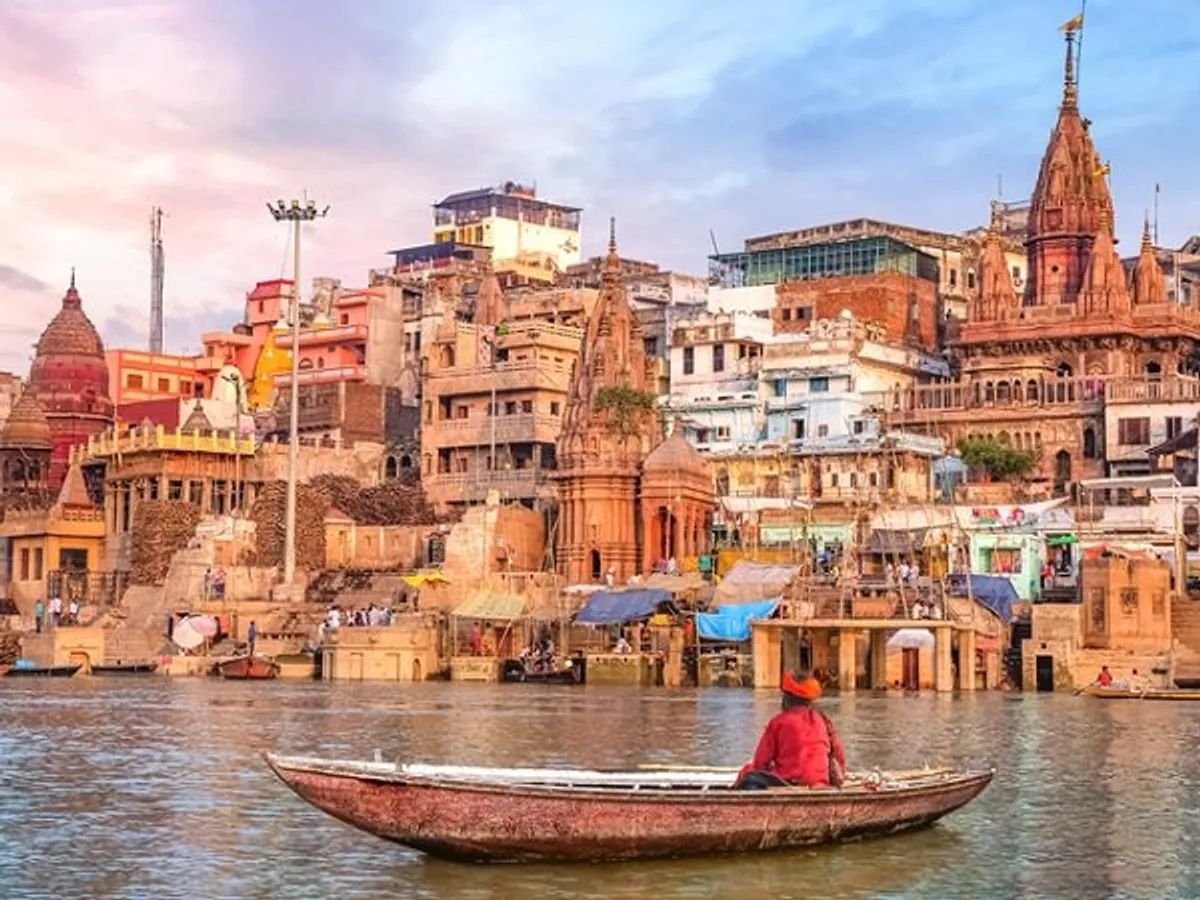
Have you ever wondered why Kashi is called the spiritual heart of India? For millions of Hindus, Kashi is more than just a city—it’s a symbol of eternal life, faith, and devotion. This ancient city, also known as Varanasi or Banaras, holds a deep significance in Hinduism. It’s believed to be a place where the soul connects directly with the divine, and many make pilgrimages here to seek peace and spiritual growth.
In this post, I want to take you on a journey through Kashi’s unique importance. I’ll explain why it’s sacred, what it represents for Hindus, and how its traditions continue to inspire people today. Whether you’ve heard of Kashi before or are curious about its spiritual impact, this post will give you an easy-to-understand guide filled with stories and insights you can relate to.
The Spiritual Significance of Kashi in Hinduism
Kashi is often called the “City of Light,” and for a good reason. The city shines bright with spiritual energy. But what exactly makes it so important in Hindu beliefs? Let’s explore a few key ideas.
Kashi as the Abode of Lord Shiva
One of the main reasons Kashi holds such reverence is because it is considered the home of Lord Shiva, one of the principal gods in Hinduism. Shiva is known as the destroyer and transformer, responsible for the cycle of creation, preservation, and destruction in the universe.
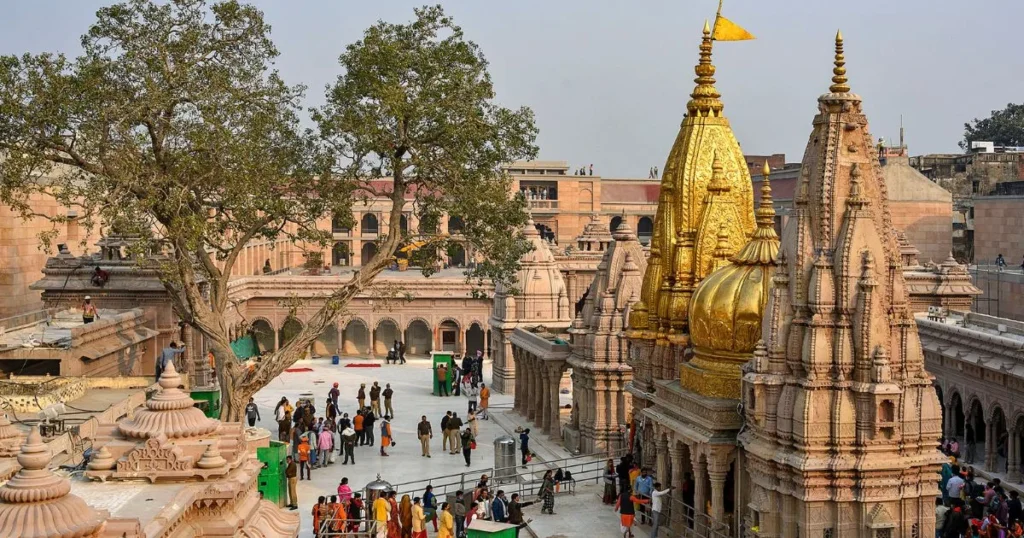
People believe that Lord Shiva lives in Kashi in the form of the Kashi Vishwanath Temple’s Jyotirlinga (a sacred symbol of Shiva). The temple is over a thousand years old and draws millions of devotees every year. Worshipping here is said to purify the soul and help one gain liberation from the cycle of birth and death (moksha).
To put it simply, visiting Kashi is like visiting the divine presence itself. It’s a place where the spiritual and earthly worlds meet.
Kashi and Moksha: The Path to Liberation
In Hindu philosophy, moksha is the ultimate goal—freedom from samsara, the endless cycle of life, death, and rebirth. Kashi is considered one of the few holy places where dying naturally leads to moksha. This belief makes it very special.
Imagine the peace of mind knowing that your soul could be freed from this lifelong cycle just by spending your last days in this city. Many elderly Hindus choose to live in Kashi as they grow older. They hope that when they pass on, the city’s sacredness will guide them toward eternal peace.
This idea is rooted in ancient scriptures, like the Shiva Purana, which describes Kashi as unique because no other god or goddess can go there. Only Lord Shiva remains, blessing the souls that come to the city.
The Cultural and Historical Importance of Kashi
Beyond spirituality, Kashi is a city rich in history and culture. Its significance extends beyond religion—it’s a living museum of Indian tradition.
One of the Oldest Continually Inhabited Cities
Kashi’s history dates back over 3,000 years! It is one of the oldest cities in the world that has been continuously inhabited. Walking through its narrow lanes, you’ll see ancient temples, bustling markets, and old houses that tell stories of the past.
This long history adds to Kashi’s aura. People feel like they are stepping back in time, connecting with generations of devotees who have walked these paths before.
The Ganges River: A Lifeline of Kashi
The holy Ganges River flows through Kashi, playing a vital role in its spiritual and daily life. Hindus consider the Ganges as a goddess and believe its waters can wash away sins.
In Kashi, the riverbanks, called ghats, become centers of activity. People come here for rituals, prayers, and to perform last rites for loved ones. The Ganges provides a direct link between humans and the divine.
A vivid example: Every evening at Dashashwamedh Ghat, the Ganga Aarti ceremony takes place. Hundreds gather to watch priests perform ritualistic prayers with fire and music. It’s a mesmerizing sight reflecting the devotion and holiness of Kashi.
Kashi’s Role in Hindu Festivals and Literature
Kashi is not only a religious site but also a hub for festivals, arts, and learning.
Festivals That Light Up Kashi
Throughout the year, Kashi celebrates numerous Hindu festivals with great enthusiasm. Diwali, the festival of lights, sees the city illuminated from every corner. Holi, the festival of colors, brings joy and unity.
One festival closely associated with this city is Shivaratri—the night dedicated to Lord Shiva. Devotees fast, chant, and stay awake all night, offering special prayers at Kashi Vishwanath Temple. The energy during these festivals is contagious, creating a deep sense of belonging among participants.
Home to Legendary Scholars and Literature
Kashi has been a center of education and culture for centuries. It has nurtured great Sanskrit scholars, poets, and philosophers. Many important Hindu scriptures and literary works were composed or studied here.
I remember reading about the famous Hindu philosopher Tulsidas, who wrote the Ramcharitmanas—a deeply spiritual text—in or near Kashi. His writings continue to inspire millions worldwide.
Visiting Kashi: A Personal Spiritual Experience
So, what is it truly like to visit Kashi? From my own experience and countless stories shared by others, it’s a journey that touches the heart and soul.
The Vibrant Everyday Life on the Ghats
Kashi never sleeps. Early morning, you’ll see sadhus (holy men) meditating by the river. Fishermen cast their nets. Women do their daily chores. The sound of temple bells, chants, and birds fill the air.
Walking along the ghats, you witness life and death coexisting peacefully. A cremation pyre nearby reminds you of the fragile nature of life, while the flowing Ganges symbolizes eternal purity.
This raw, honest atmosphere makes Kashi unique. It’s a place where spirituality is woven into daily life, not separate from it.
Lessons in Letting Go and Finding Peace
Visitors often come expecting grandeur, but Kashi’s true power lies in its simplicity. Watching the rituals and interacting with locals, you learn powerful lessons:
- Impermanence: Life is temporary; embracing this helps ease suffering.
- Faith: Despite hardships, people’s devotion shines bright here.
- Community: Everyone, regardless of background, is welcome and connected.
One traveler shared how a simple boat ride on the Ganges at sunrise transformed their understanding of life’s flow and change. Moments like these make Kashi a profound spiritual teacher.
The Modern Importance of Kashi
Kashi’s significance is not stuck in ancient times. It continues to be relevant in today’s world.
A Center for Spiritual Tourism
Thousands visit here annually, eager to experience its spiritual energy. This helps preserve traditions while also encouraging cultural exchange.
Local communities benefit from tourism, which supports temples, markets, and cultural programs. At the same time, the city faces challenges like pollution and overcrowding. Responsible tourism is vital to keep Kashi’s sacred atmosphere alive.
Kashi as a Symbol of India’s Diverse Heritage
Kashi is more than a religious site; it’s a symbol of India’s rich cultural diversity. People from across the country and the world come here, regardless of faith, drawn by its spiritual aura.
This openness reminds us that spirituality transcends boundaries—it connects us all.
Why it Matters to Everyone Seeking Spiritual Meaning
Reflecting on Kashi’s significance, it’s clear why this city holds a special place in Hinduism. It is the home of Lord Shiva, the gateway to moksha, and a living center of faith and culture.
If you ever feel the need to explore deeper questions of life, death, and meaning, Kashi offers a space for reflection and transformation. Whether through its timeless rituals, the serene flow of the Ganges, or the warm hearts of its people, the city invites you to connect with something greater than yourself.
This is not just a place on a map—it’s a spiritual experience that stays with you forever.
—
If you’ve enjoyed this post on Kashi, I encourage you to explore more about Hinduism or even plan a visit someday. The city’s light is waiting for you.