-

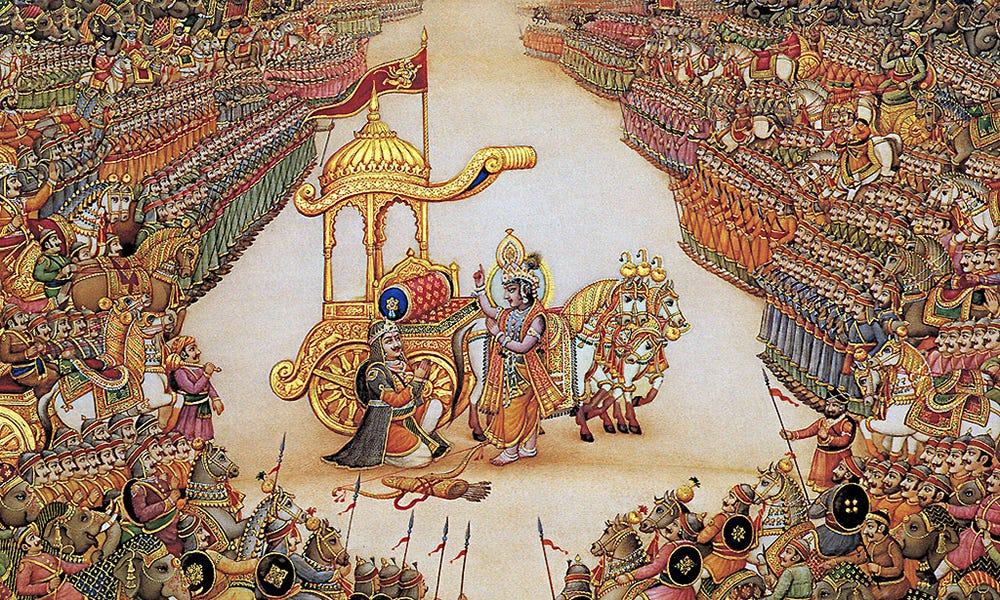
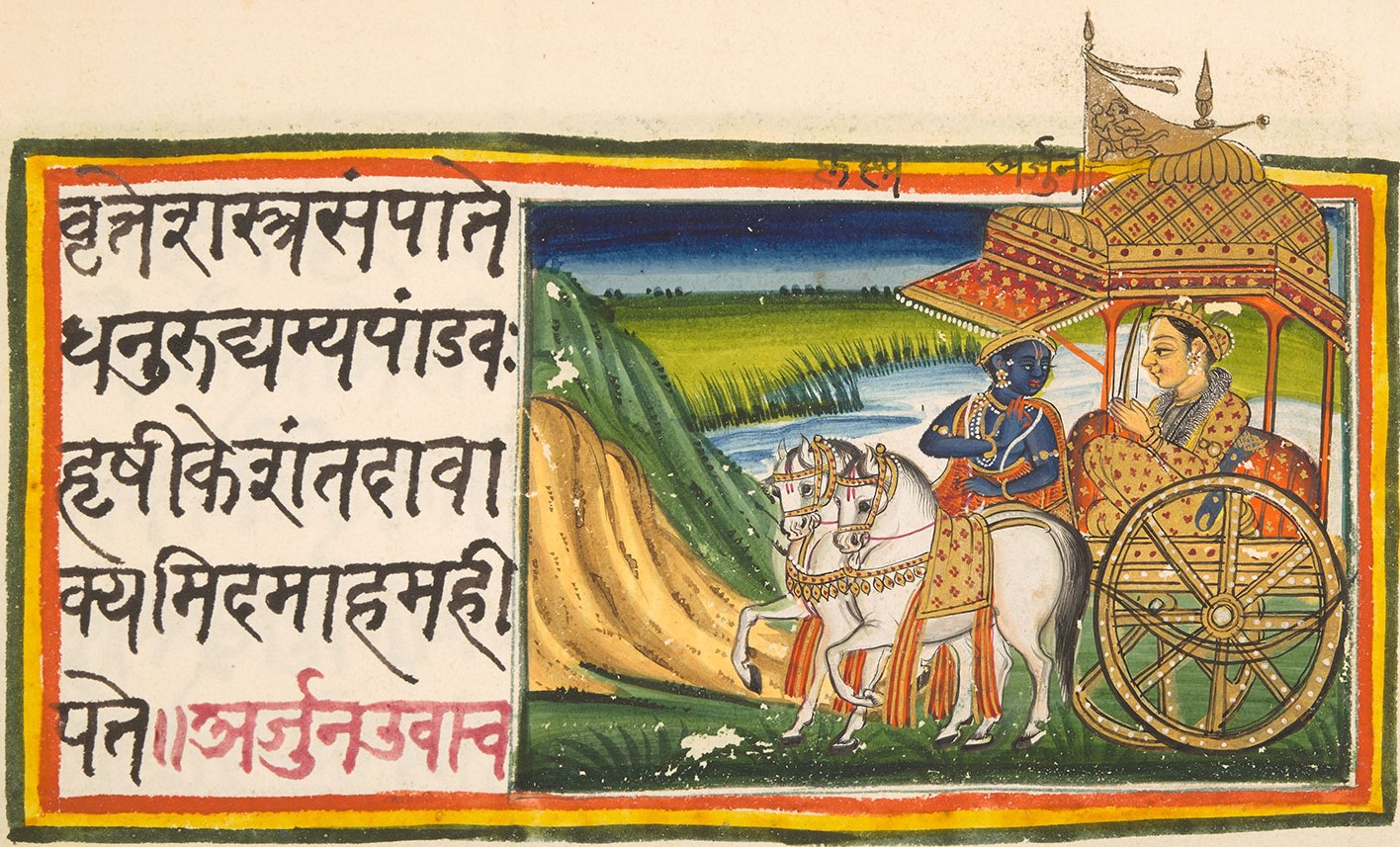
Famous Mahabharata Characters
The Mahabharata is a vast epic with a rich tapestry of characters, each representing different virtues, vices, and complexities of human nature. Let’s break them down into key Mahabharata Characters
-
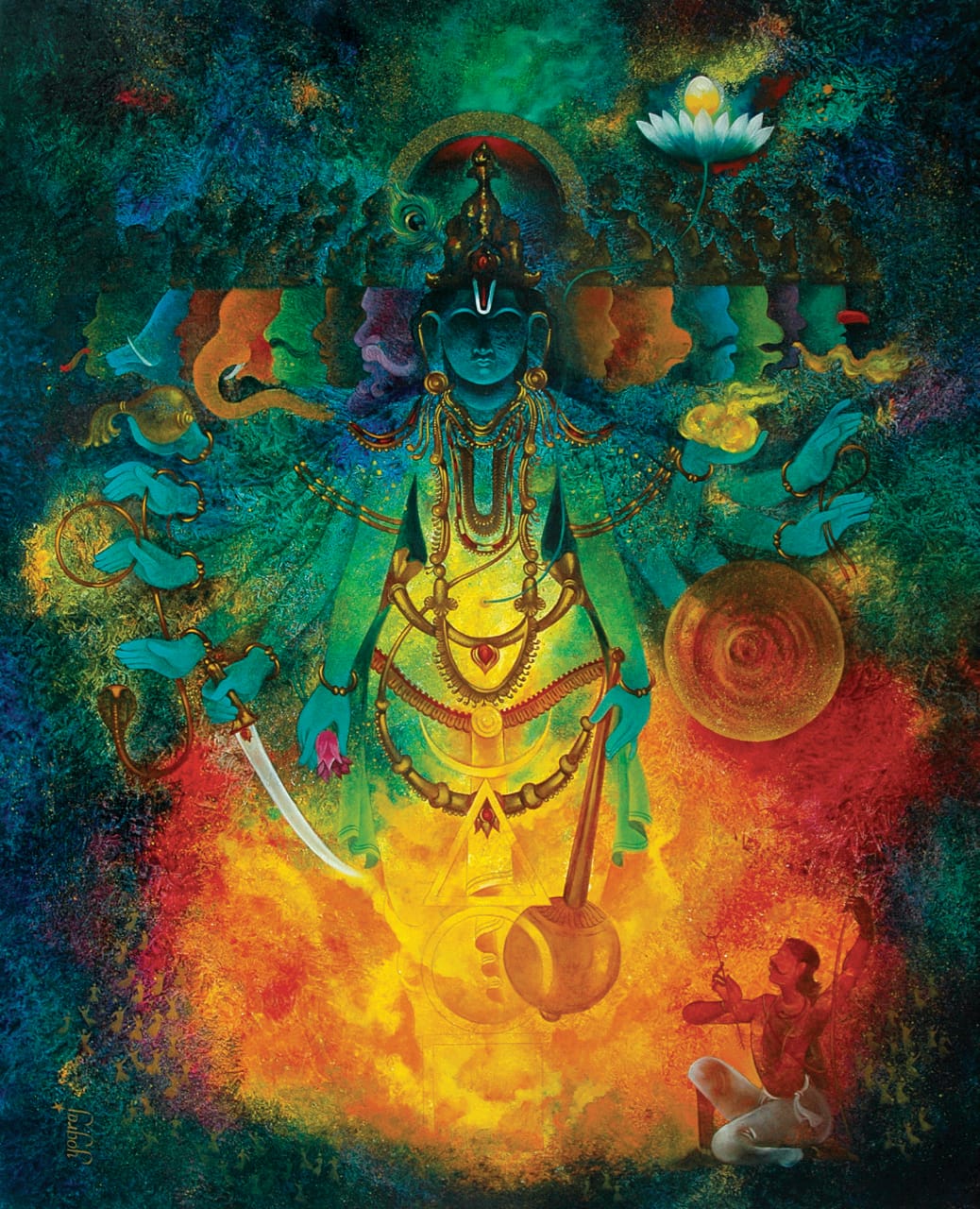
Who Is Lord Vishnu? The Story, Symbolism and Worship of the Preserver
Who is Lord Vishnu? A complete guide to the preserver of the cosmos: his origins in the Vedas, the meaning of his conch, discus, mace and lotus, the ten avatars, his great temples, festivals and mantras.
-
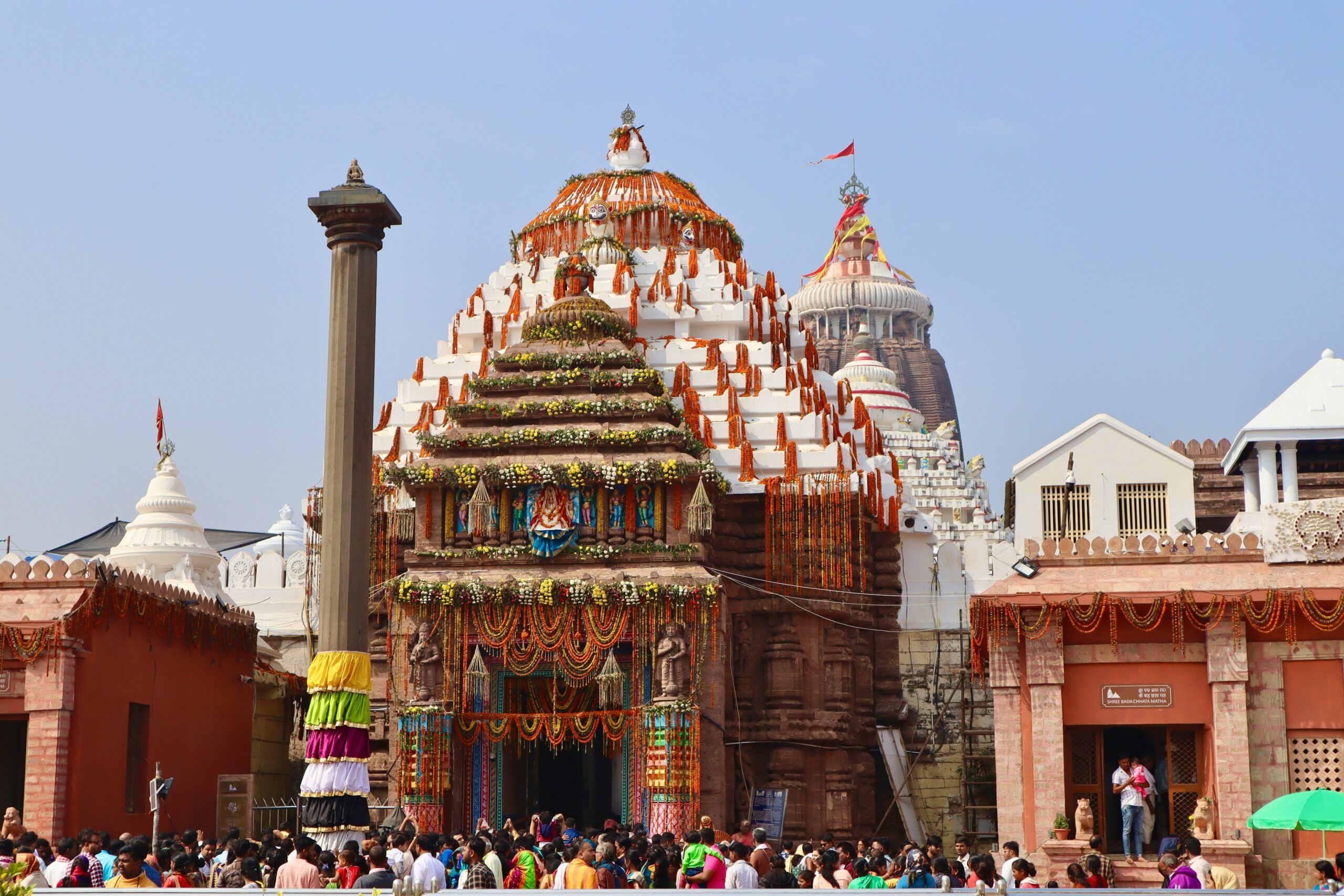
Jagannath Temple, Puri: The Lord of the Universe and a Complete Pilgrim’s Guide
The Jagannath Temple at Puri, one of the four Char Dham shrines: its history, the unfinished wooden deities, Nabakalebara, Rath Yatra, Mahaprasad and a practical visit guide.
-
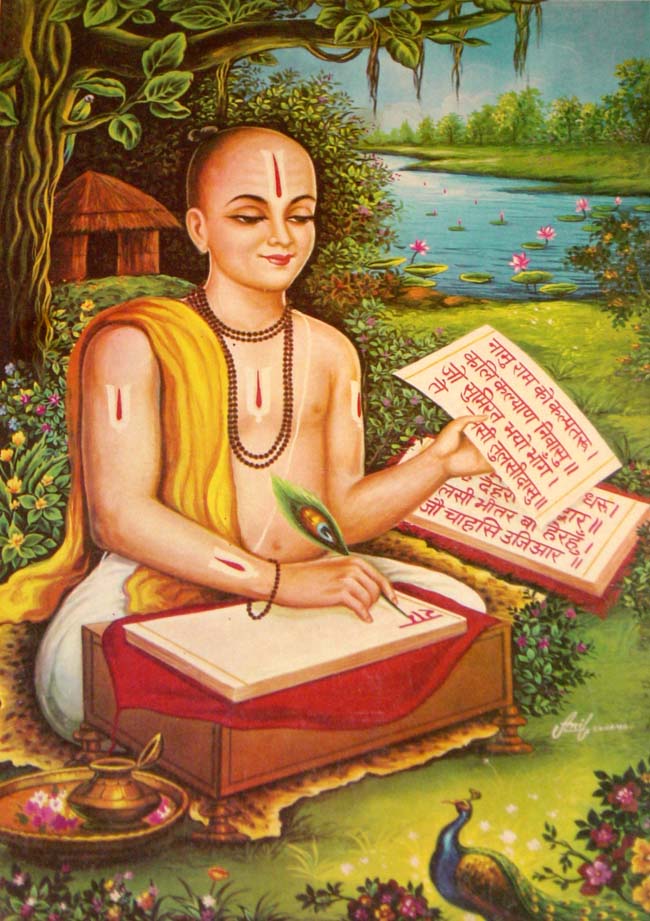
Goswami Tulsidas: The Poet Who Gave North India Its Ramayana
Goswami Tulsidas wrote the Ramayana in the language people actually spoke. The life, the works, the disputed dates and the enduring reach of the saint-poet of Awadhi.
-
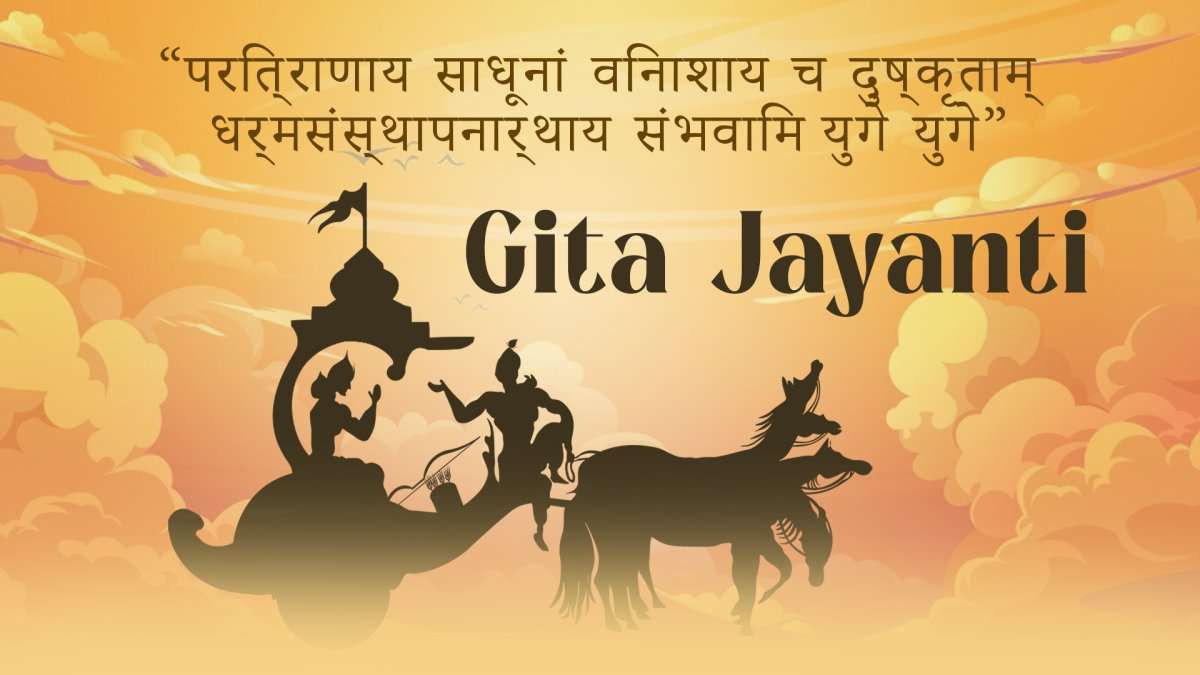
Gita Jayanti 2026: Date, Meaning and How to Observe the Day the Gita Was Spoken
Gita Jayanti 2026 falls on Sunday, 20 December. Here is what the day commemorates, why the Gita alone among Hindu scriptures has a birthday, how Mokshada Ekadashi shares the date, and how to observe it at home.
-
What Is Karma? The Hindu Law of Action, Explained Properly
Karma is not cosmic payback. It is the Hindu teaching that every intentional act leaves a trace that shapes who you become. Here is where the idea comes from, the four kinds of karma, how it coexists with free will, and what the Gita adds to it.
-
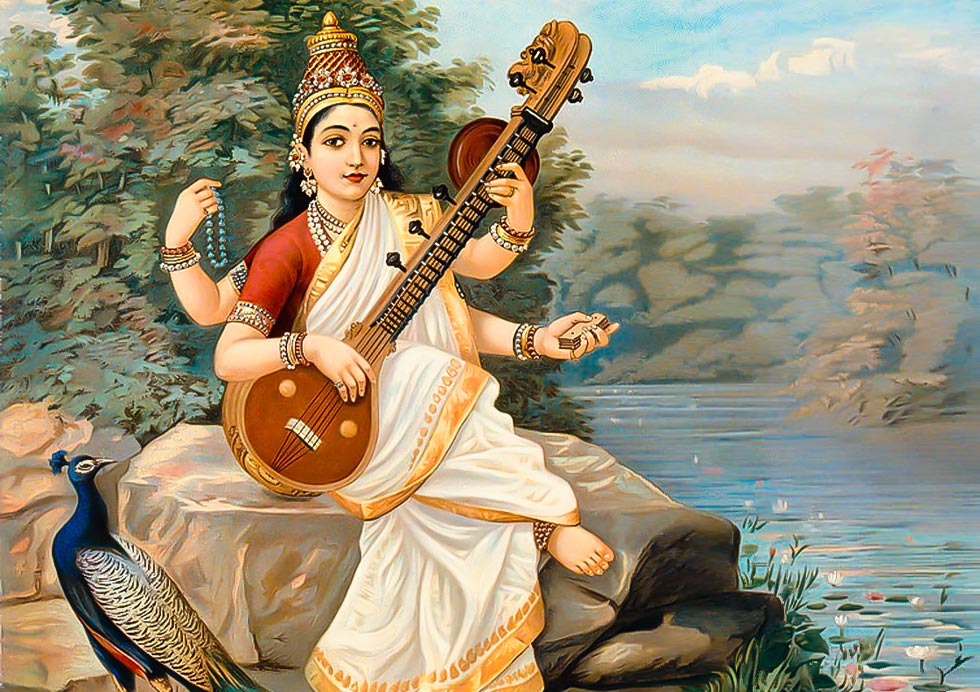
Who Is Goddess Saraswati? The Story, Symbolism and Worship of the Goddess of Knowledge
Saraswati began in the Rigveda as a river and became the goddess of speech, learning and the arts. Her origins, iconography, the Puranic disagreement about Brahma, her festivals, temples and mantras — explained in full.
-
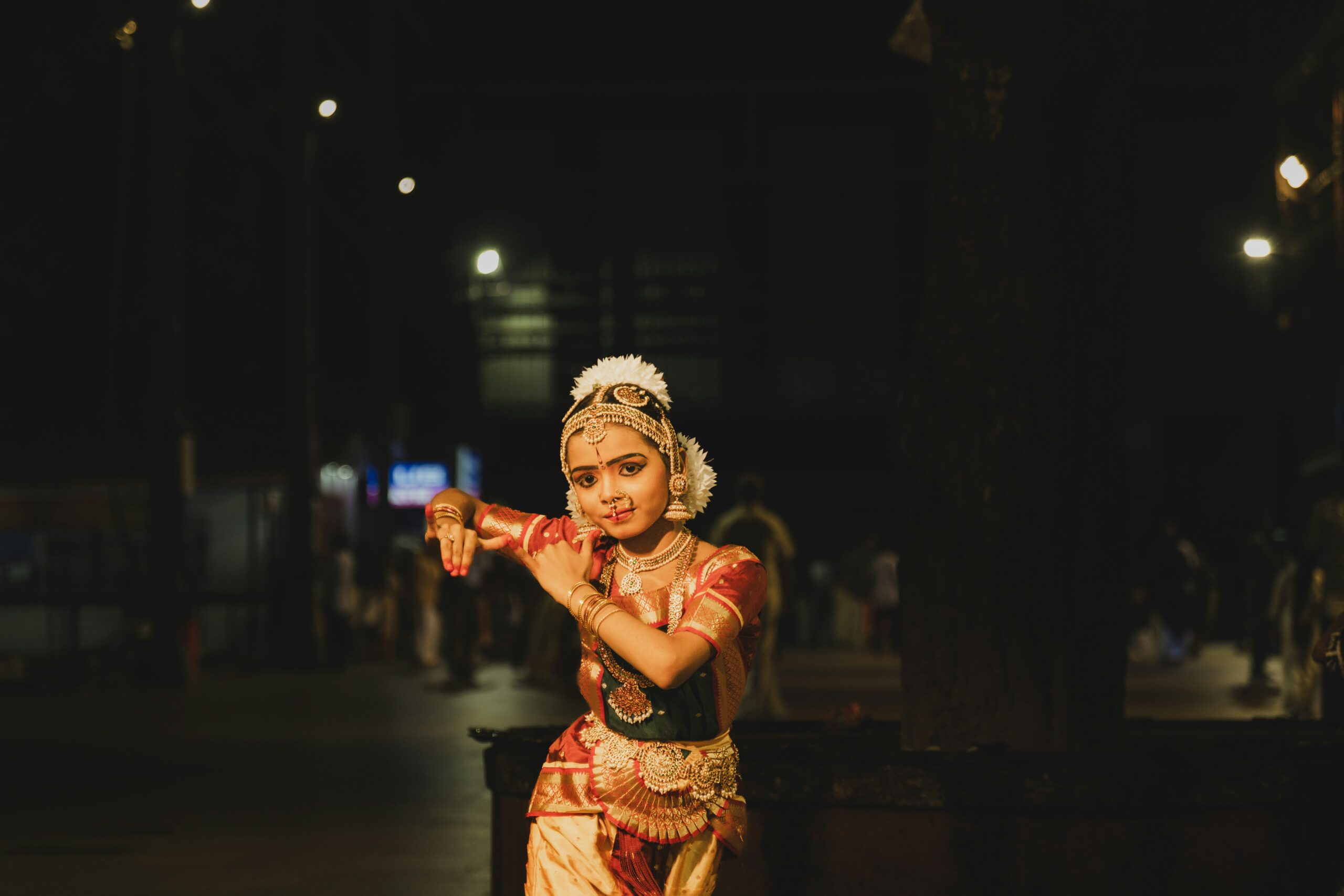
Indian Classical Dance as Worship: How the Body Became a Prayer
India’s eight classical dance forms began as offerings inside temples, not as entertainment. A guide to the Natya Shastra, abhinaya, rasa, Shiva as Nataraja, the temple dancers, and the revival that saved the art while changing it.
-
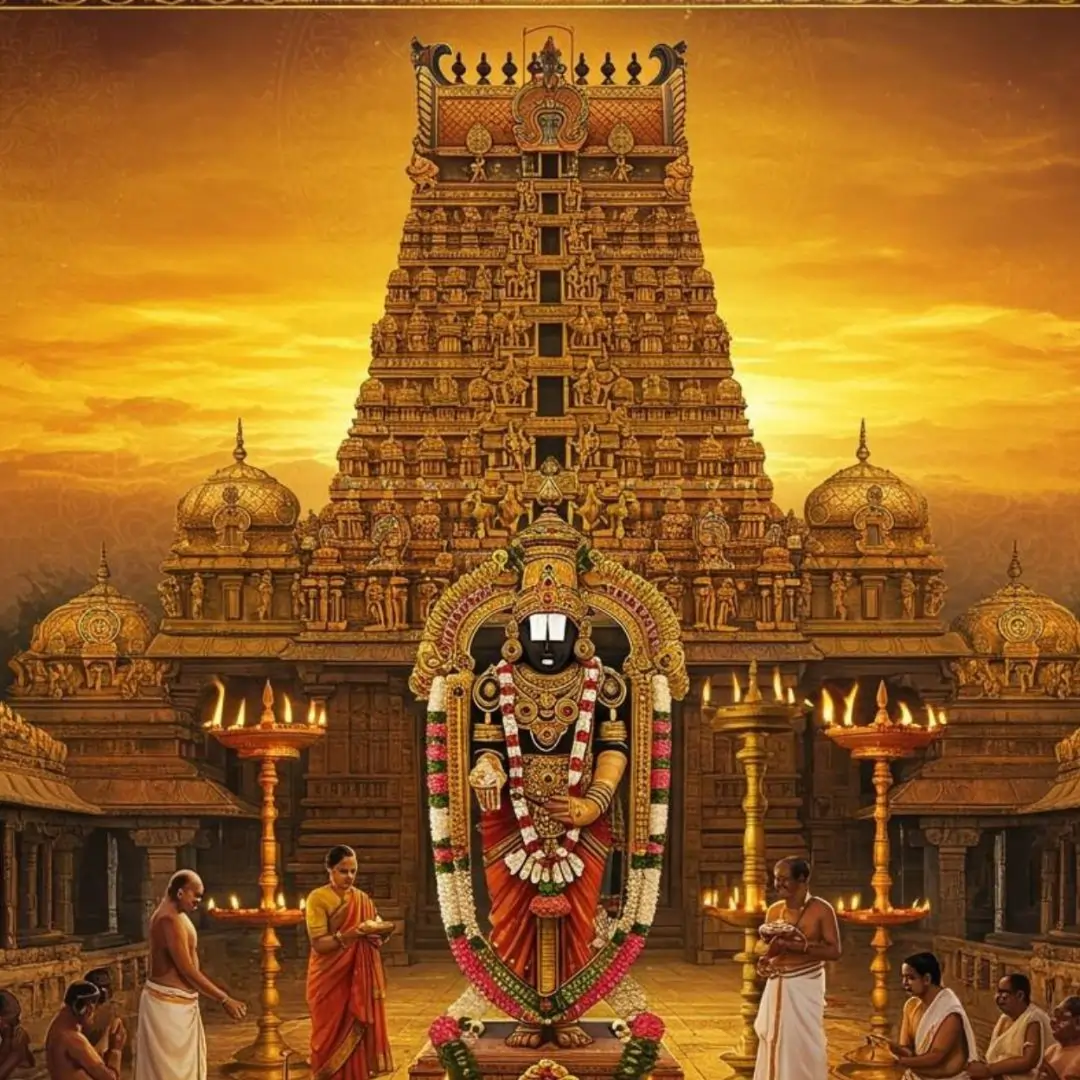
Tirupati Balaji: Lord Venkateswara, the Seven Hills and a Pilgrim’s Guide to Tirumala
Who Lord Venkateswara is, where the legends of Tirumala actually come from, what the sanctum holds, and a practical, honestly sourced guide to visiting the hill temple at Tirupati.
-
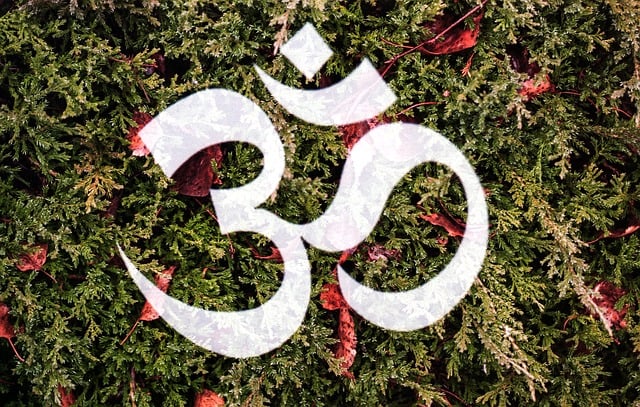
The Meaning of Om: The Syllable Hinduism Begins and Ends With
Where Om actually comes from, what the Mandukya Upanishad says about A, U, M and the silence after them, how the Gita and the Yoga Sutras use it, and which popular claims about Om do not hold up.
-
The Sixteen Samskaras: The Hindu Rites That Mark a Life
From the honey placed on a newborn’s tongue to the last rites, the samskaras mark every threshold of a Hindu life. A careful guide to all sixteen, why the number sixteen is not what most accounts claim, and what the texts really say.
-
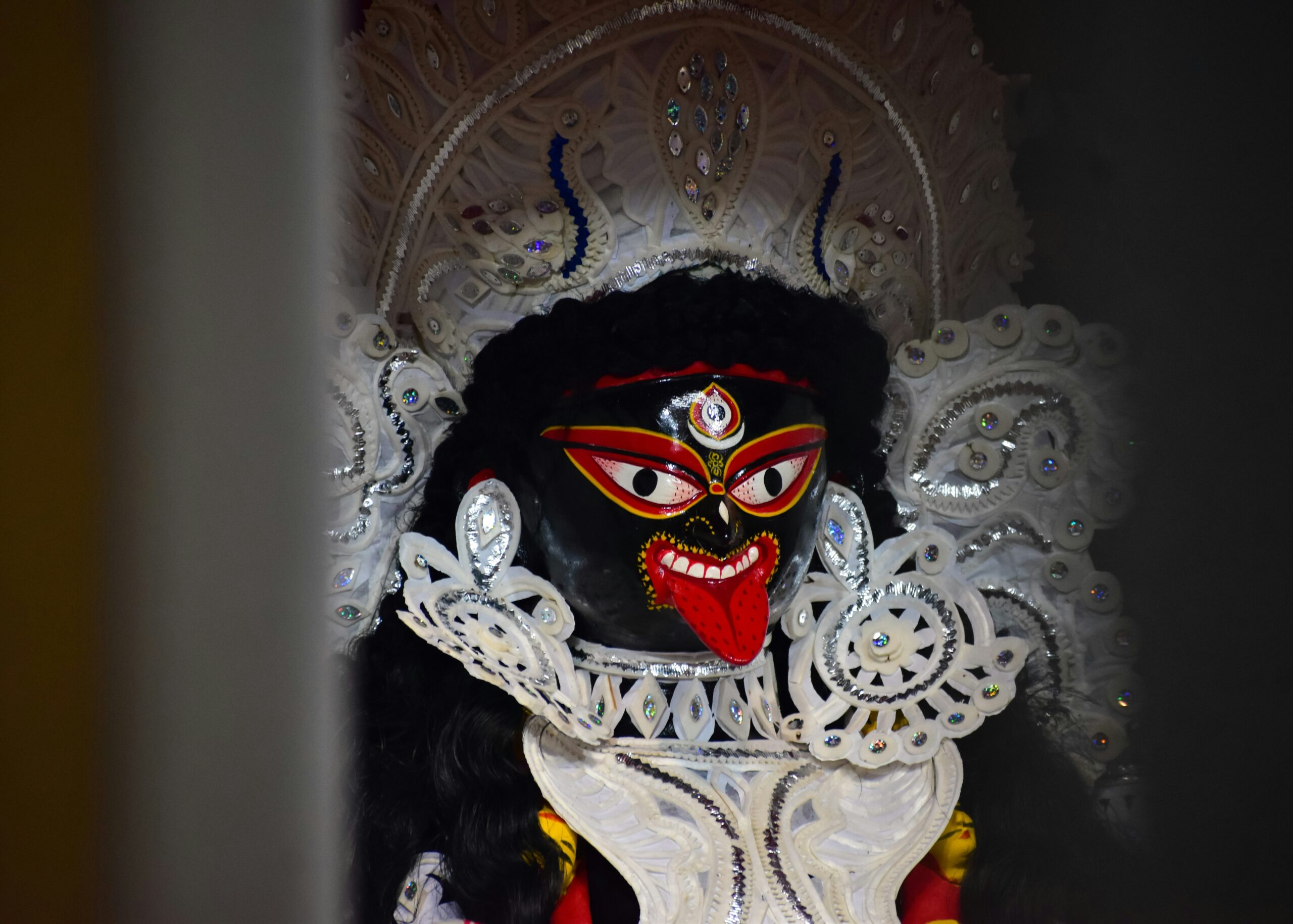
Who Is Goddess Kali? The Story, Symbolism and Worship of the Dark Mother
Kali is worshipped at midnight on the darkest night of the month, and millions call her Mother. A careful guide to her name, her textual history, her symbolism, her temples, Kali Puja 2026, and the corrections most accounts get wrong.
-
The Significance of Sanskrit: The Language That Carried India’s Memory
Why Sanskrit matters: how the Vedas survived without writing, what Panini actually achieved, how Sanskrit changed world linguistics, which popular claims about it are myths, and why learning a little still unlocks so much.
-
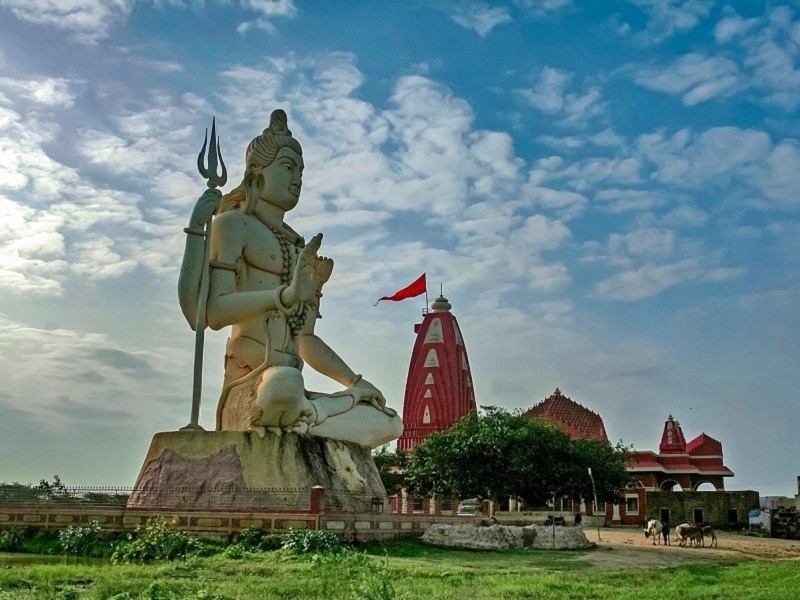
Nageshwar Jyotirlinga, Dwarka: The Lord of Serpents and the Forest Beneath the Sea
Nageshwar Jyotirlinga near Dwarka is the hardest of the twelve to pin down. Two Puranas tell two different stories about it, and three states claim it. Here is the legend, the dispute, the temple itself and a practical pilgrim’s guide.
-
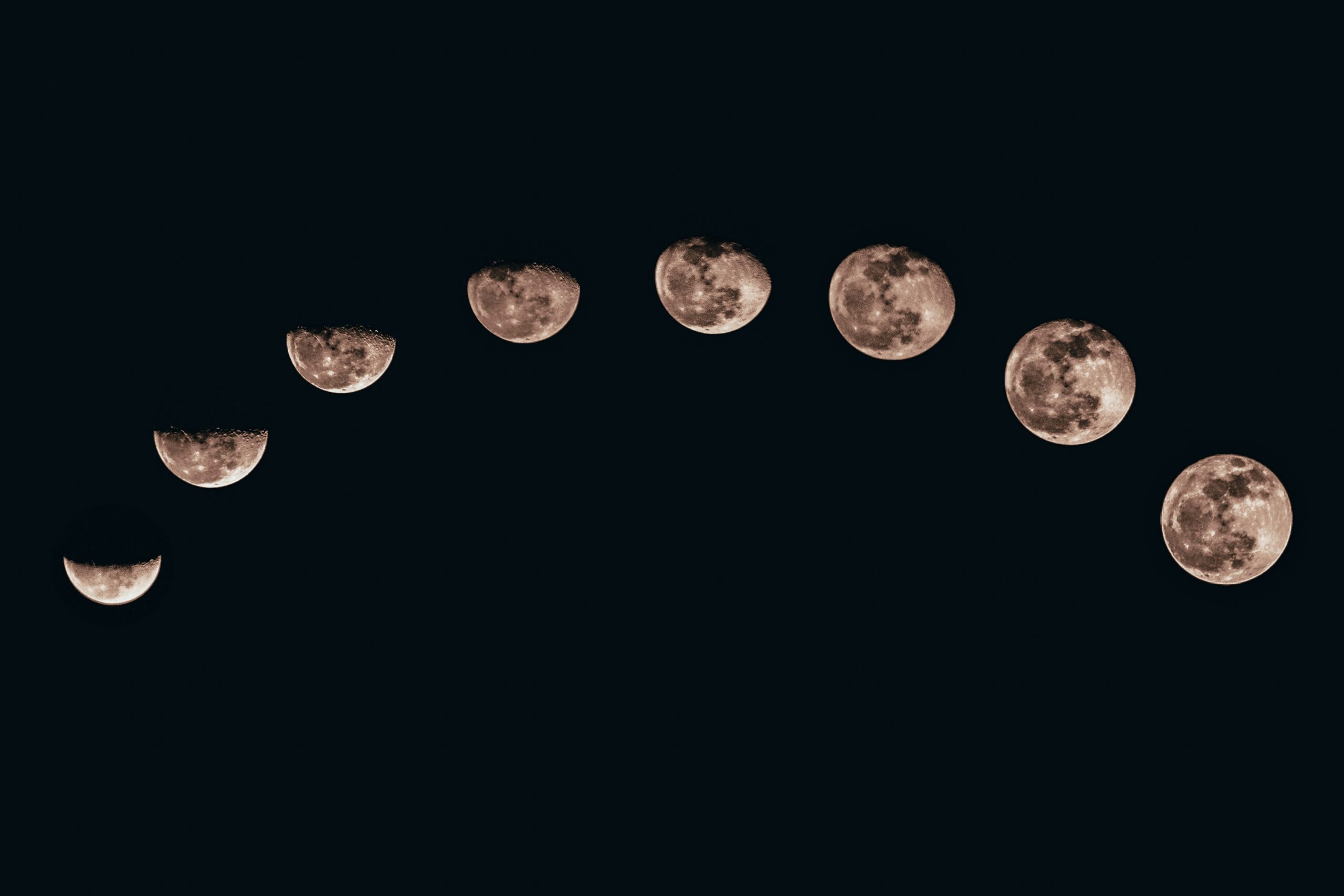
Kartik Purnima and Dev Deepawali 2026: Meaning, Legends and How India Celebrates
Kartik Purnima 2026 falls on Tuesday 24 November — the full moon on which tradition says the gods themselves come down to bathe in the Ganga. The legends behind it, the million lamps at Varanasi, the beacon on Arunachala, and how to keep the day wherever you live.
-
The Hindu Calendar Explained: Why Festival Dates Change Every Year
Why is Diwali on a different date every year, why does your mother in Chennai name a different month than your cousin in Delhi, and why does the temple down the road from you keep the festival a day late? A plain-English guide to the tithi, the panchanga, amanta and…
-
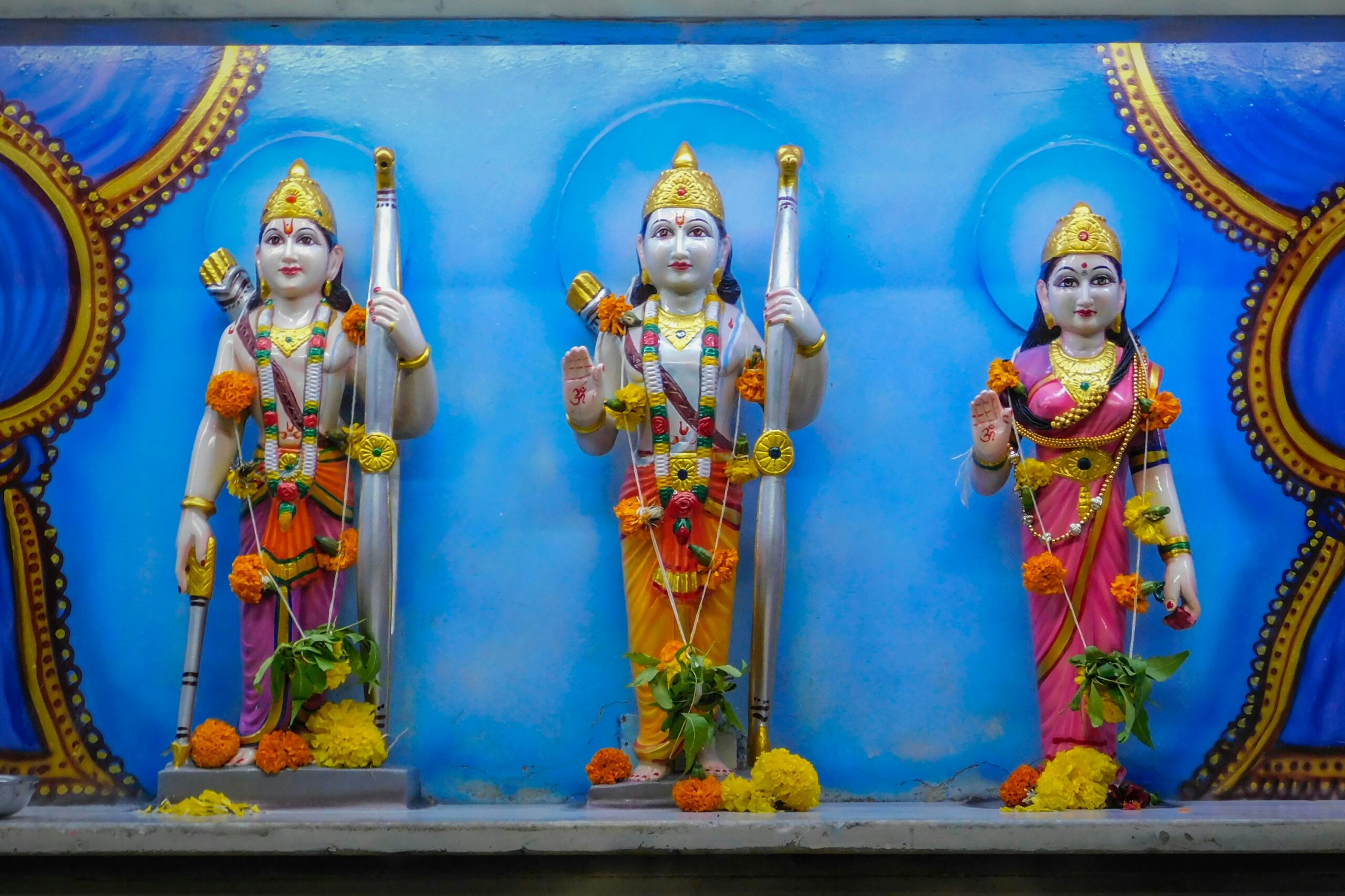
Who Is Lord Rama? The Story, Symbolism and Worship of Maryada Purushottama
Rama is the seventh avatar of Vishnu and the one Hindus call Maryada Purushottama, the perfect man. A full guide to his story, his textual sources, his symbolism, his temples and festivals, and the hard questions his life raises.
-
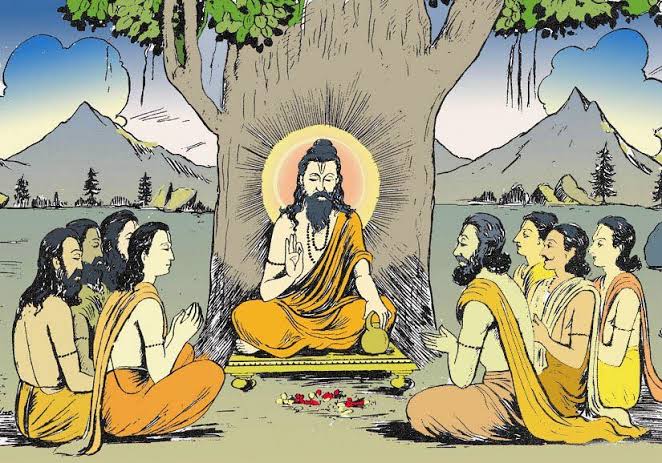
Guru-Shishya Parampara: How India Passed Its Deepest Knowledge Down, Person to Person
For three thousand years India transmitted its most demanding knowledge without textbooks, degrees or examinations — through a living relationship between teacher and student. What guru-shishya parampara actually was, what it got right, and where it went wrong.
-
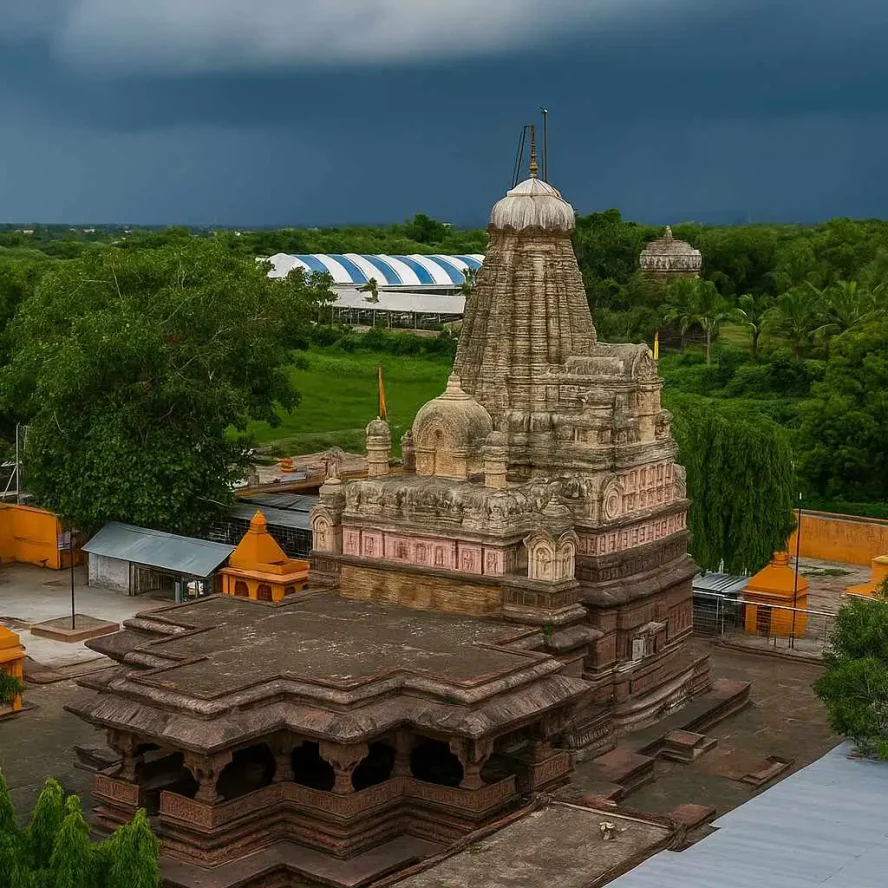
Grishneshwar Jyotirlinga: The Last of the Twelve, Beside the Caves of Ellora
Grishneshwar, the twelfth and final Jyotirlinga, stands a kilometre and a half from the Ellora Caves. Its story in the Shiva Purana is about forgiveness, not power. A full guide to the legend, the architecture and visiting in 2026, including the development work now under way.
-
What Is Dharma? The Hindu Idea That Holds Everything Together
Dharma is the most used and least translated word in Indian thought. Not religion, not rules, not karma. A clear guide to its four layers, the three ways the tradition says you can find yours, and why it still works as a practical test for hard decisions.
-
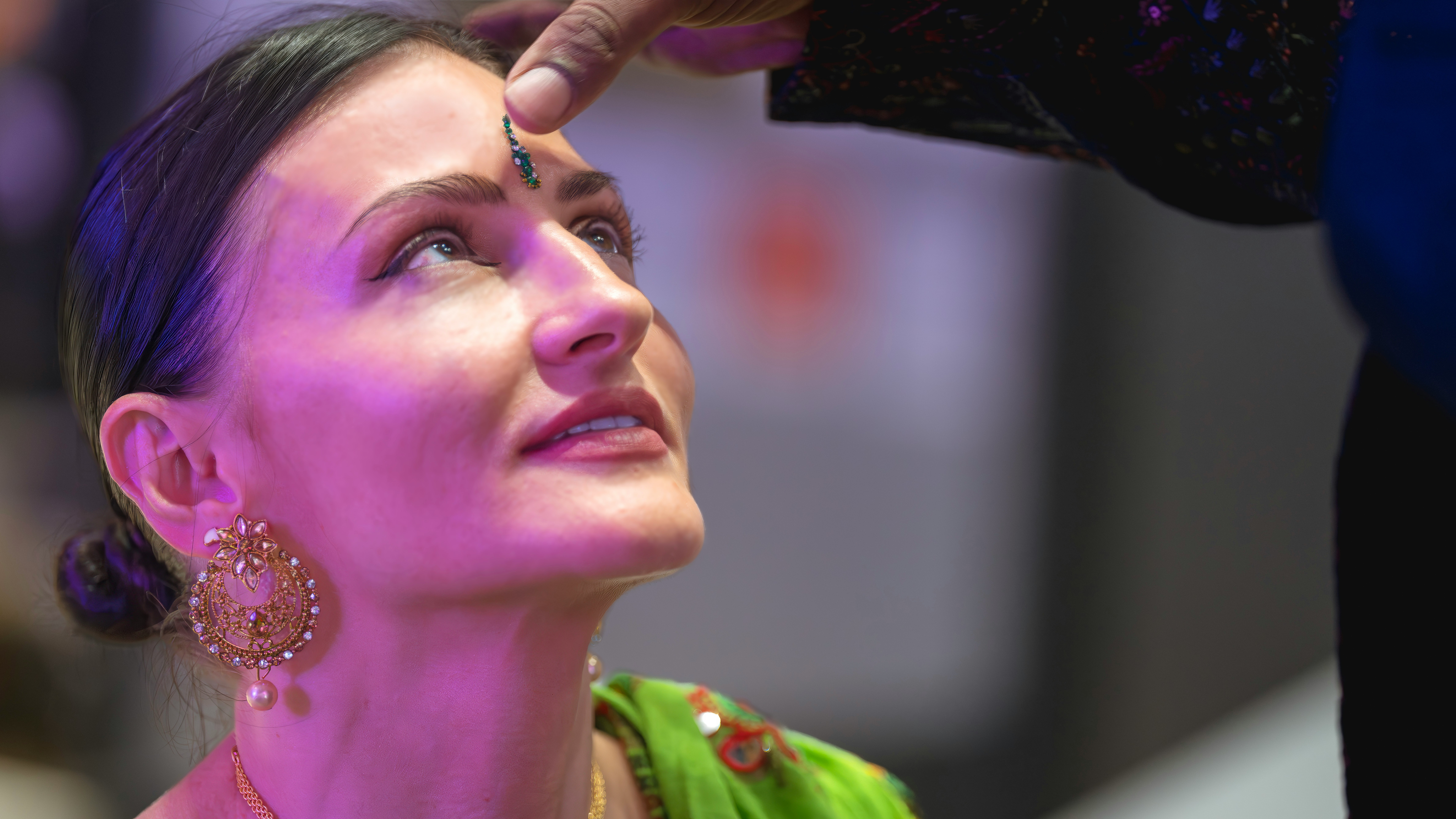
Tilak and Bindi: Why Hindus Mark the Forehead
What the tilak and bindi actually mean: the Shaiva tripundra, the Vaishnava urdhva pundra, the Shakta red bindu, what they are made of, how bindi differs from sindoor, and why the mark sits between the eyebrows.
-
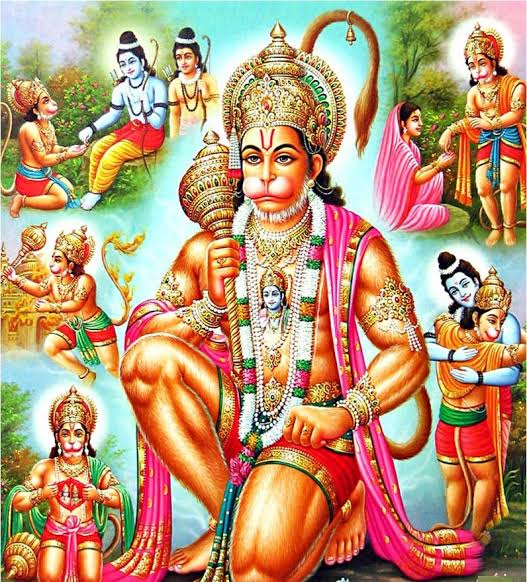
Who Is Lord Hanuman? The Story, Symbolism and Worship of the Perfect Devotee
Who is Lord Hanuman? His birth to Anjana and Kesari, the Sundara Kanda leap, the symbolism of his mace and sindoor-smeared form, his great temples, Hanuman Jayanti across India, and the mantras devotees chant.

Explore Popular Tags
best spiritual books Bhagavad Geeta bhagavad gita bhagwad bhagwad gita bhakti book review books dharma diwali Durga geeta gita gita bhagvad hanuman hindu festivals indian traditions Jyotirlinga karma karma yoga krishna Lakshmi lakshmi puja life lessons lord shiva mahabharat mahabharata navratri pandav pandava pilgrimage rama ramayana self-help shiva soul spiritual books Swami Vivekananda swami vivekananda chicago swami vivekananda quotes temples of india tulsidas Vishnu Vivekananda yog
Got any recommendations?