Tag: mahabharata
-

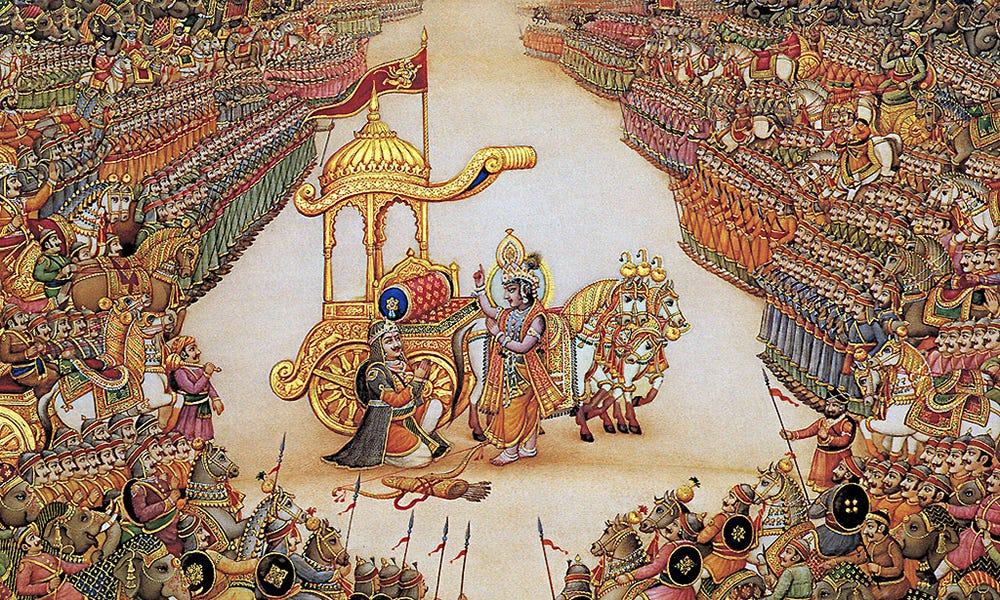
The 18 Parvas of the Mahabharata Explained — A Complete Guide to Every Book
we walk through all 18 parvas of the Mahabharata in order, explaining what happens in each book, which characters take centre stage, and why each section matters to the epic as a whole.
-
Introduction to the Mahabharata — The World’s Longest Epic
The Mahabharata (Sanskrit: महाभारत, Mahābhārata) is an ancient Indian epic narrative that belongs to the genre of itihāsa — a Sanskrit word meaning “thus indeed it was,” often translated as “history.”
-
Nakula – The Unsung Hero of the Mahabharata
Nakula’s story is filled with wisdom, devotion, and strength in a way that makes him a true hero. Nakula was not just a warrior but also a symbol of humility, loyalty, and skill.
-
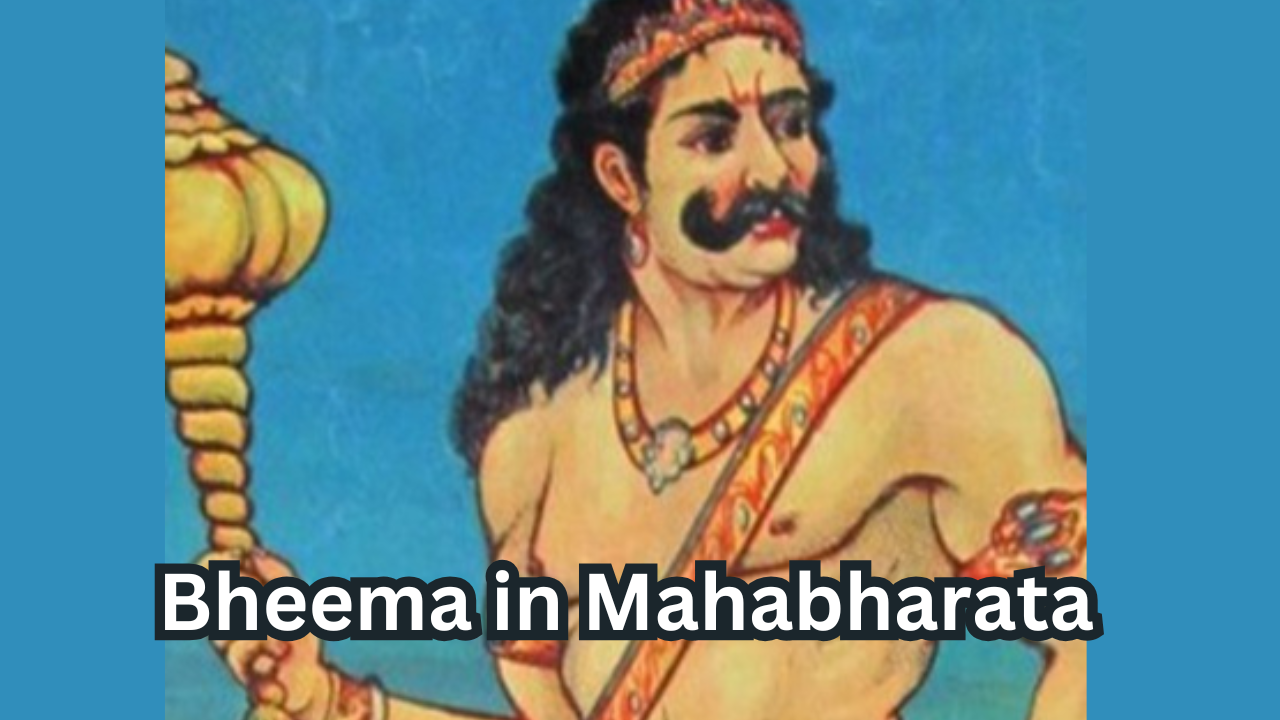
Bheema – The Mighty Warrior with an Indomitable Spirit
Bheema stands as the embodiment of strength, loyalty, and resilience. But his character is much more than just raw power. He was a protector, a devoted brother, and a fierce warrior who upheld Dharma in his own unique way.
-
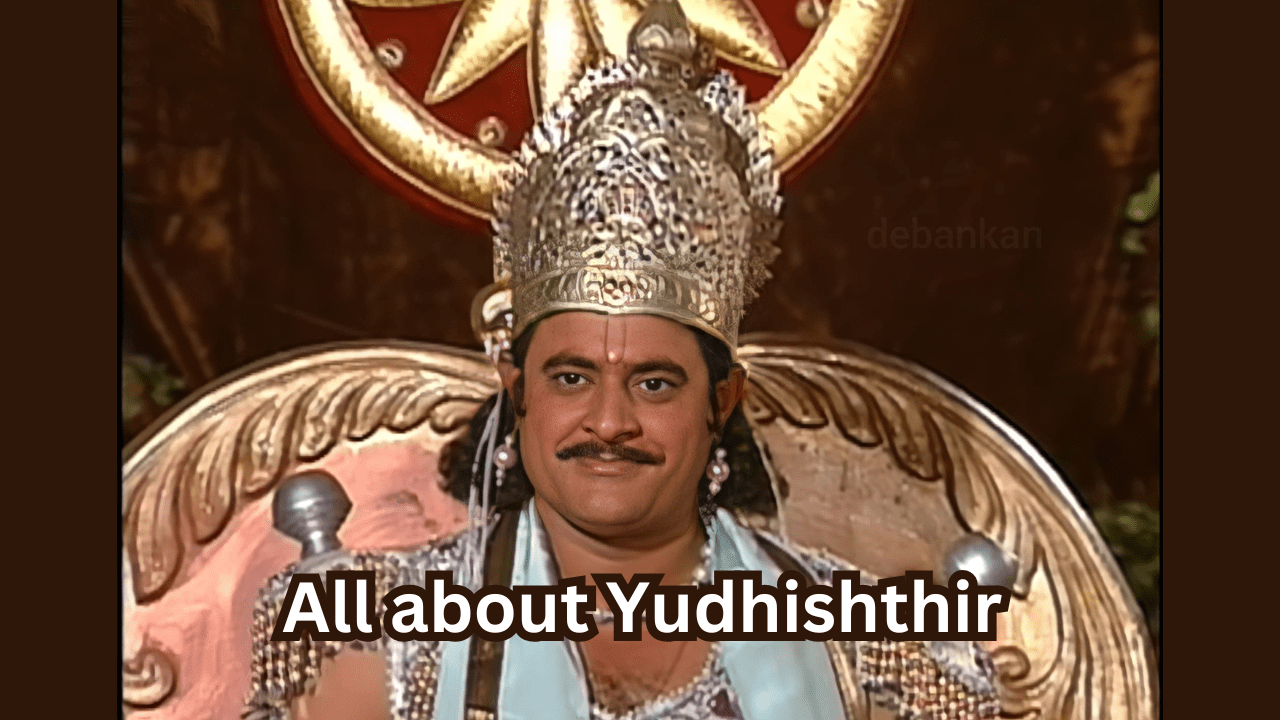
Yudhishthir – The Embodiment of Dharma and Righteousness
Often referred to as Dharmaraj, Yudhishthir was the eldest of the Pandavas and the rightful heir to the Kuru throne. His life was a saga of trials, temptations, and decisions that constantly tested his commitment to righteousness.
-
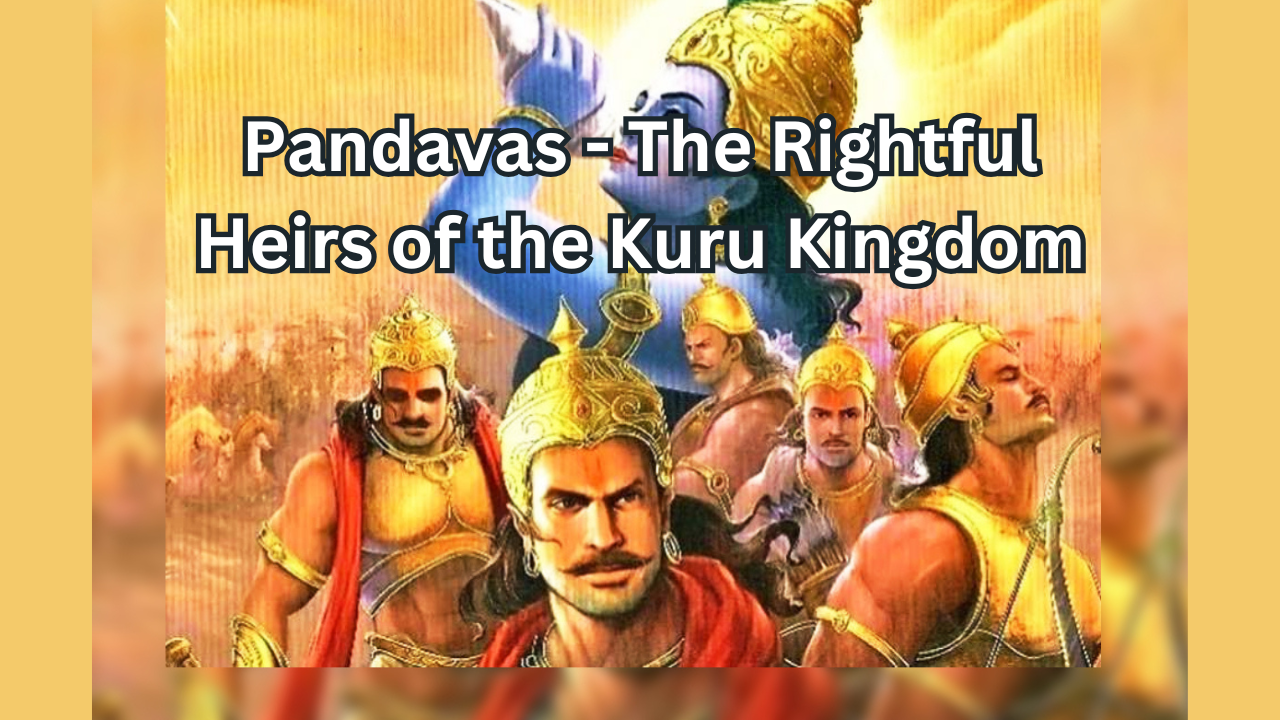
Pandavas – The Rightful Heirs of the Kuru Kingdom
The story of the Pandavas is not just a historical or mythological account; it is a timeless narrative that teaches us about righteousness (Dharma), perseverance, and the deep-rooted spiritual principles that govern life.
-
Famous Mahabharata Characters
The Mahabharata is a vast epic with a rich tapestry of characters, each representing different virtues, vices, and complexities of human nature. Let’s break them down into key Mahabharata Characters
-
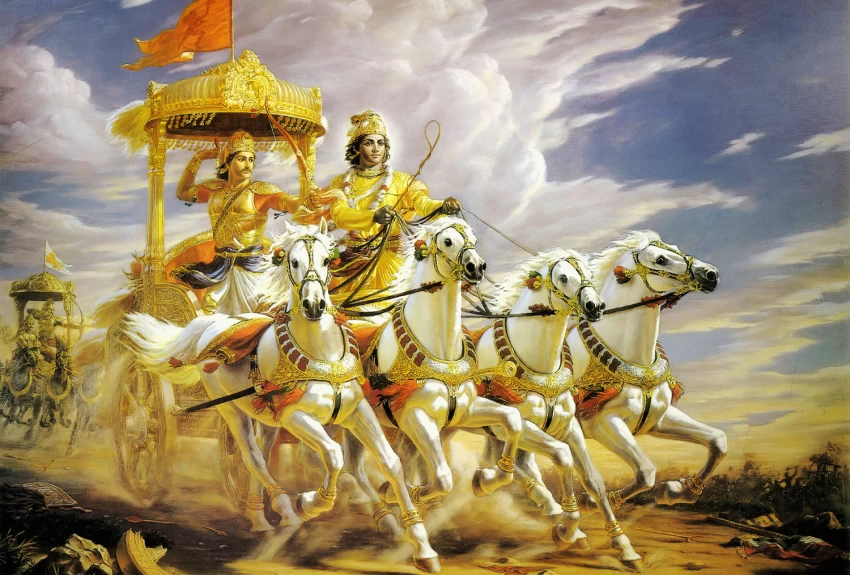
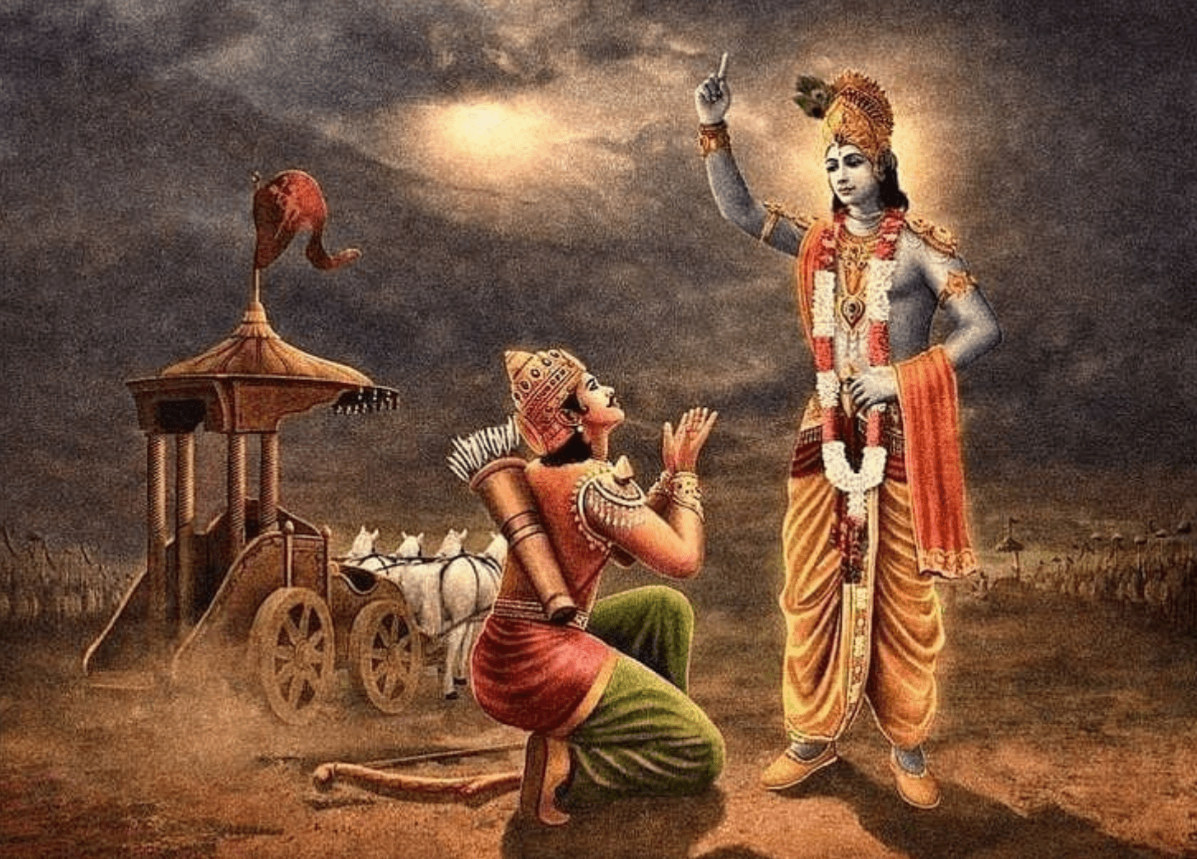
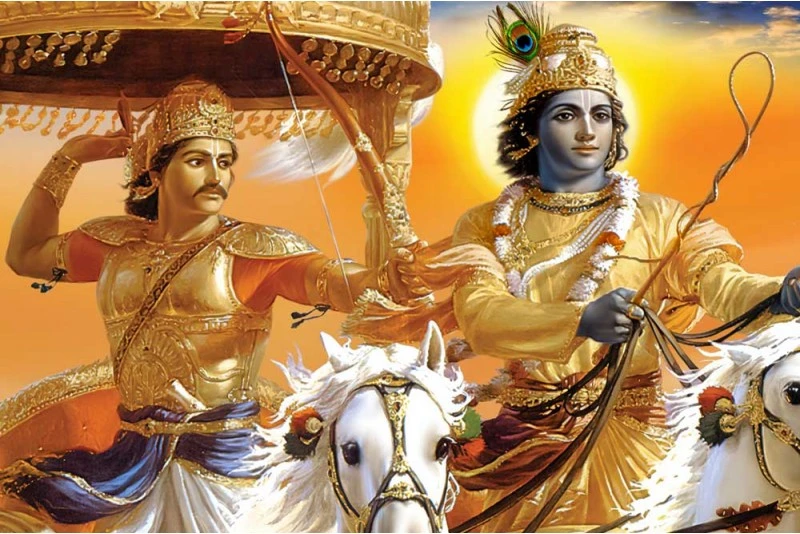
Gandeevadhari Arjuna: A Timeless Symbol of Purpose and Inner Strength
When we hear the phrase Gandeevadhari Arjuna, it literally means ‘Arjuna, the bearer of the Gandeeva bow.’ A metaphor for life itself.