Tag: indian traditions
-

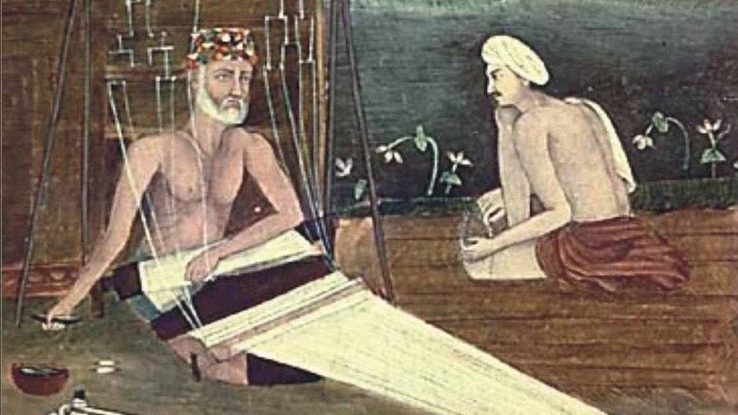
Who Was Sant Kabir? The Weaver-Poet Who Refused Both Temple and Mosque
Who was Sant Kabir? The life, poetry and teachings of the fifteenth-century weaver-mystic of Varanasi who rejected caste, ritual and religious labels alike – and what historians can and cannot actually verify about him.
-
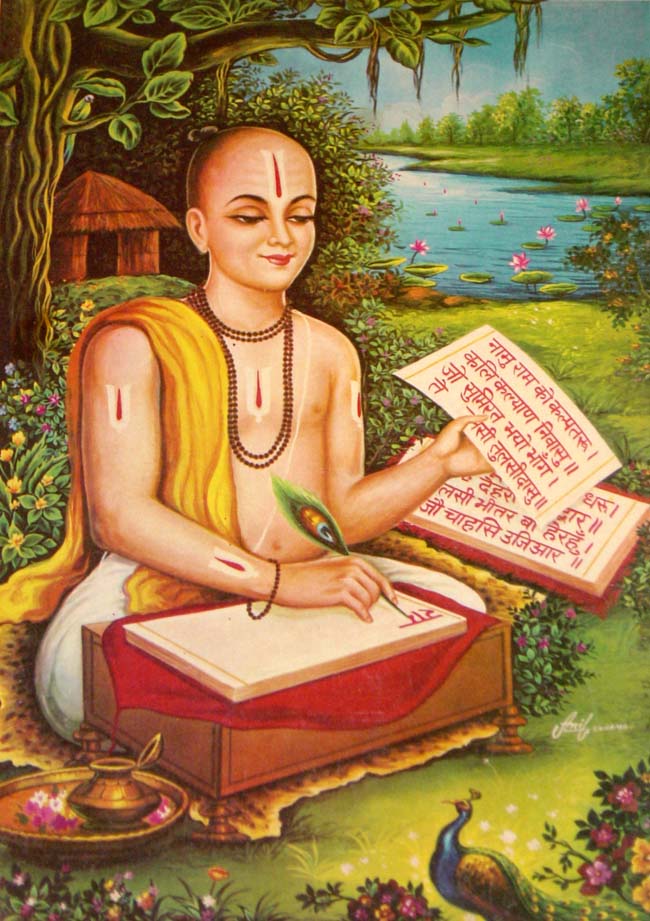
Goswami Tulsidas: The Poet Who Gave North India Its Ramayana
Goswami Tulsidas wrote the Ramayana in the language people actually spoke. The life, the works, the disputed dates and the enduring reach of the saint-poet of Awadhi.
-
The Sixteen Samskaras: The Hindu Rites That Mark a Life
From the honey placed on a newborn’s tongue to the last rites, the samskaras mark every threshold of a Hindu life. A careful guide to all sixteen, why the number sixteen is not what most accounts claim, and what the texts really say.
-
The Significance of Sanskrit: The Language That Carried India’s Memory
Why Sanskrit matters: how the Vedas survived without writing, what Panini actually achieved, how Sanskrit changed world linguistics, which popular claims about it are myths, and why learning a little still unlocks so much.
-
The Hindu Calendar Explained: Why Festival Dates Change Every Year
Why is Diwali on a different date every year, why does your mother in Chennai name a different month than your cousin in Delhi, and why does the temple down the road from you keep the festival a day late? A plain-English guide to the tithi, the panchanga, amanta and purnimanta, the extra month, and…
-
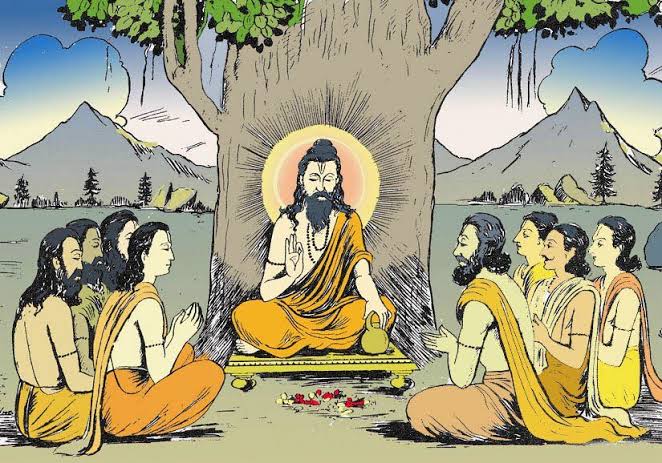
Guru-Shishya Parampara: How India Passed Its Deepest Knowledge Down, Person to Person
For three thousand years India transmitted its most demanding knowledge without textbooks, degrees or examinations — through a living relationship between teacher and student. What guru-shishya parampara actually was, what it got right, and where it went wrong.
-
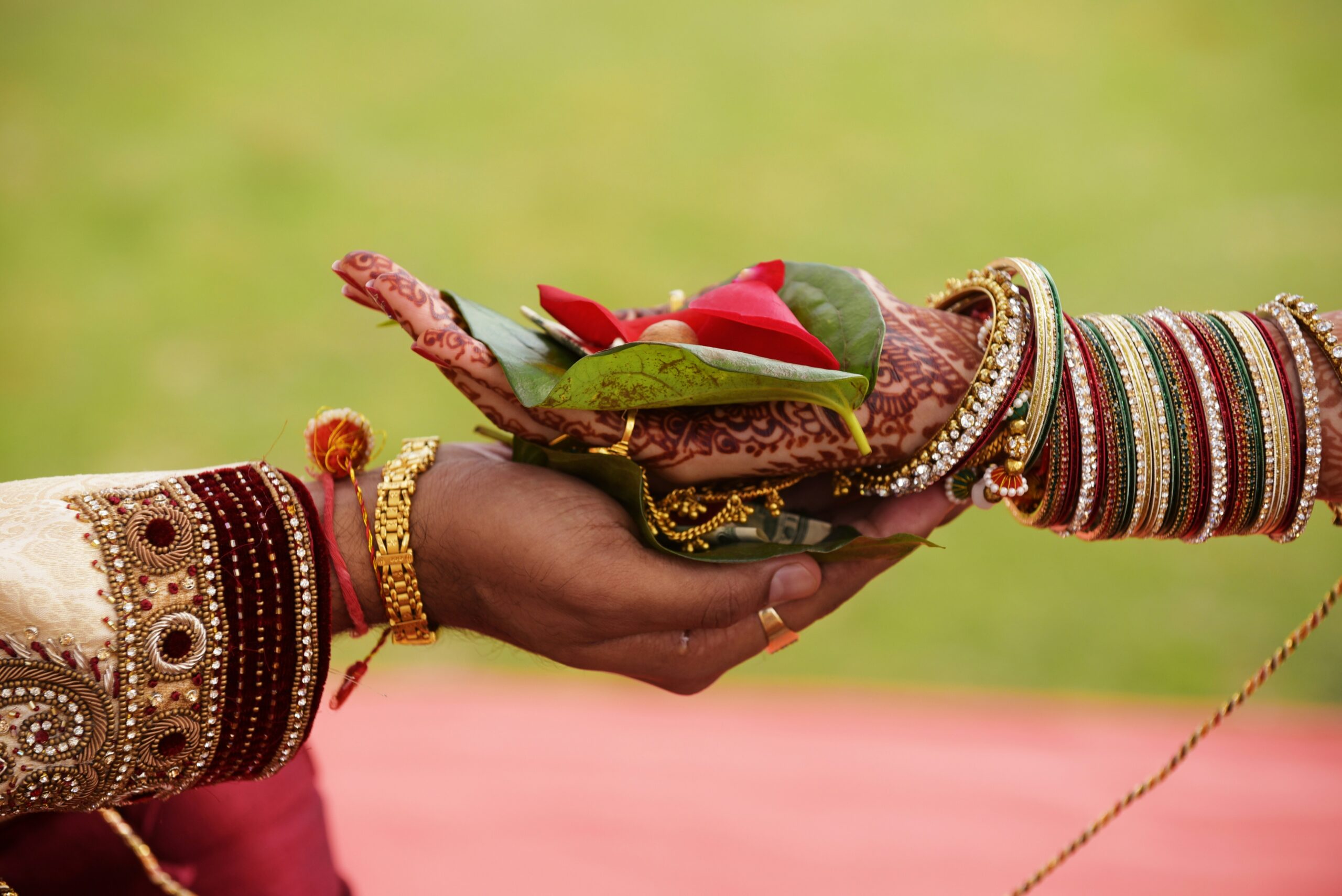
Indian Wedding Rituals Explained: The Meaning Behind Every Ceremony
Every rite in a Hindu wedding is a sentence about what marriage is for. A clear, honest guide to vivaha — kanyadaan, panigrahana, laja homa, saptapadi, mangalsutra and sindoor — with the texts behind them, the real regional differences, and what the seven vows actually say.
-
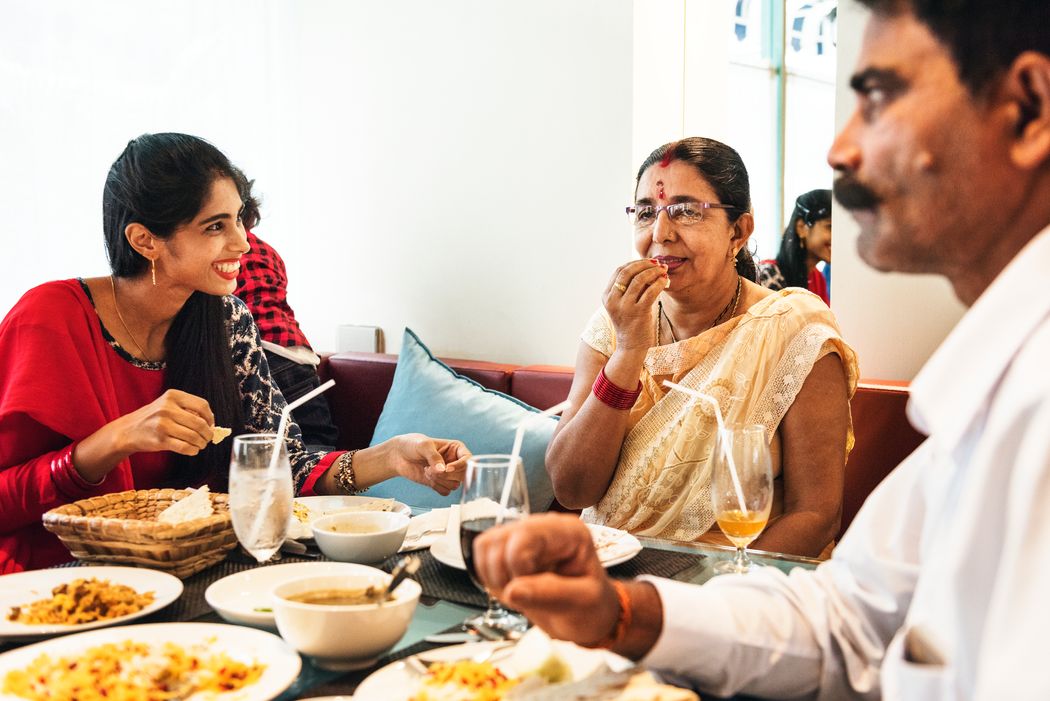
Why We Eat With the Right Hand: The Meaning Behind an Indian Table Ritual
Eating with the right hand is one of the most universally observed Indian customs and one of the least explained. Here is the ritual logic behind it, what the texts actually say, and what it means for left-handed people and for families abroad.
-
The Meaning of Namaste: What You Are Actually Saying
Namaste is not the Sanskrit word for hello. It is a declaration of reverence, with a three-thousand-year paper trail and a gesture older than the word. Here is what it really means, where it comes from, and how to use it well.
-
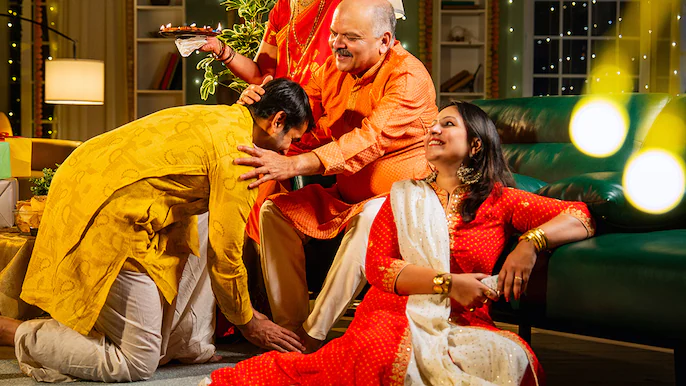
Why We Touch Feet: The Meaning of Charan Sparsh in Indian Tradition
Why do Indians touch the feet of elders? The real meaning of charan sparsh — what the Manusmriti, Ramayana and Mahabharata say, the different forms of pranama, how it is actually done, what the viral science claims get wrong, and how to teach it to children growing up abroad.